After two years of turmoil for Chinese auto manufacturers in the North American market, the newest batch of Chinese electric vehicles (EVs) began arriving in Canada in May 2026. While most of these cars have been Teslas as of this writing, three EVs from Chinese state-owned automaker Chery were spotted in a Toronto parking lot in May: a Jaecoo J5 electric subcompact SUV, an Exeed Exlantix ES full-size sedan, and an Omoda 9 plug-in hybrid two-row midsize SUV. Another Chinese automaker under private ownership, BYD, is expected to begin the regulatory approval process shortly.
The EVs in this latest round of shipments are not the first Chinese-made cars to land on Canadian soil. Chinese-built vehicles from established automakers such as Tesla, Volvo, and Polestar had been arriving in Canada for years before the Trudeau government levied a 100% tariff on Chinese EVs in October 2024. The tariff was applied to put Canada in lockstep with the United States, which implemented the same duties on Chinese-built EVs a month prior.
In January 2026, Prime Minister Mark Carney agreed to permit up to 49,000 Chinese EVs to be imported into Canada annually at a reduced tariff rate of 6.1%. This was negotiated in exchange for reducing China’s retaliatory tariffs on Canadian agricultural products such as canola, peas, and seafood. The number of Chinese EVs imported into Canada under the reduced tariff is set to increase annually, reaching 70,000 units after five years. A sliding percentage of the quota is reserved for vehicles with an import price of $35,000 or less.
In China, vehicles that use electric propulsion are known as new energy vehicles. Here’s a look at the automotive brands from China that are confirmed to be bringing electric vehicles to Canada under the current scheme, those expected to arrive within the next couple of years, and others that we could see further down the line. We’ll also assess how much cheaper Chinese EVs are likely to be than those from established automakers and look at the pros and cons of choosing to buy a Chinese EV in Canada.
The Chinese EVs and Automakers That Are In Or Coming To Canada
Chinese Electric Vehicle Automakers that Could Enter Canada
Chinese Automakers Not Planning to Launch in Canada
How Much Cheaper Will Chinese EVs be in Canada?
The Pros and Cons of Buying a Chinese EV in Canada
The Chinese EVs and Automakers That Are In Or Coming To Canada:
Some Chinese EVs are already rolling on Canadian roads, while others are expected to arrive within the next few years. Below you’ll find a list of Chinese automakers that are or will be importing vehicles into Canada under the reduced tariffs introduced early in 2026.
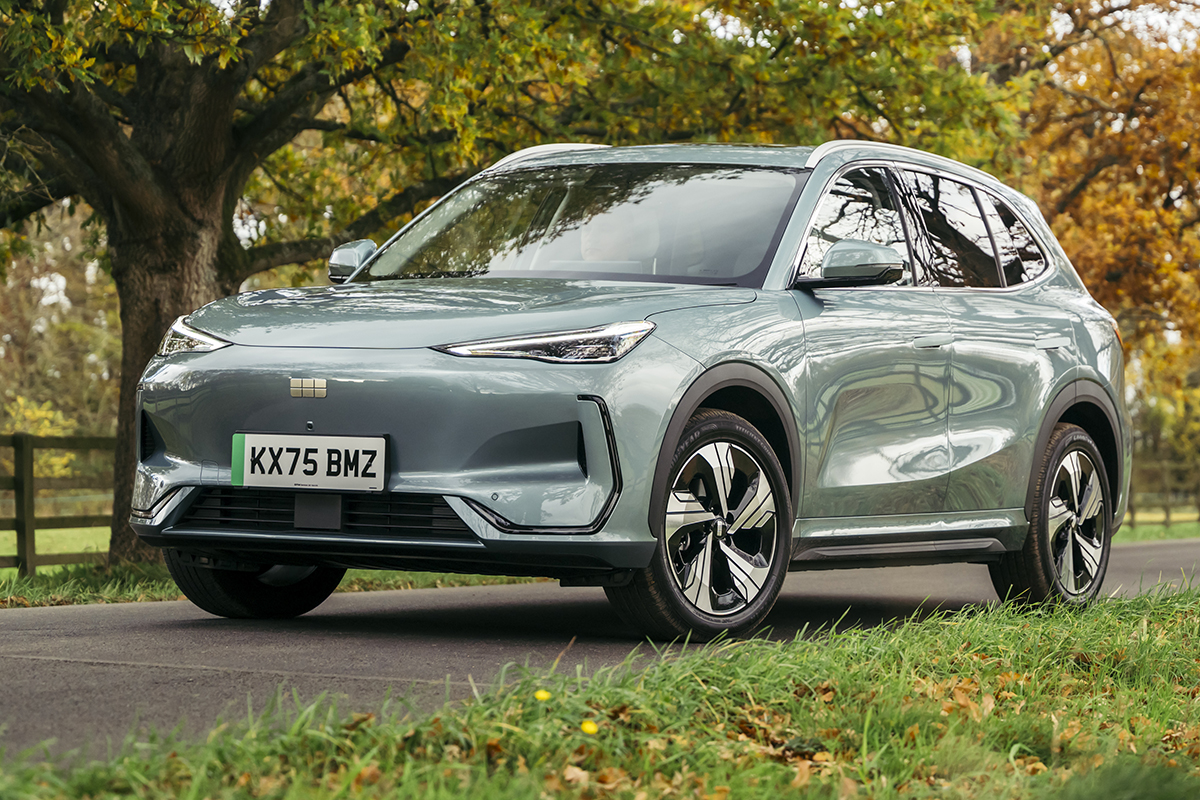
Geely
Geely Holding Group is a privately owned Chinese automaker. It owns several brands that Canadians are already familiar with including Volvo, Polestar, and Lotus. Shipments into Canada from these three brands have already begun or are set to begin shortly. The Lotus Eletre SUV was the first Chinese-built EV to arrive in Canada under the new tariff structure, while products like the Volvo EX30, Volvo EX40, and Polestar 2 won’t be far behind.
The company owns other brands that are less familiar to North American audiences, including Lynk & Co. and Zeekr. These vehicles share platforms and technology with Volvo and Polestar vehicles, which should make it easier for them to meet regulatory requirements. However, although the Zeekr name was trademarked in Canada in 2025, there are not yet any indications as of this writing that the automaker has started the certification process for vehicles from these brands.
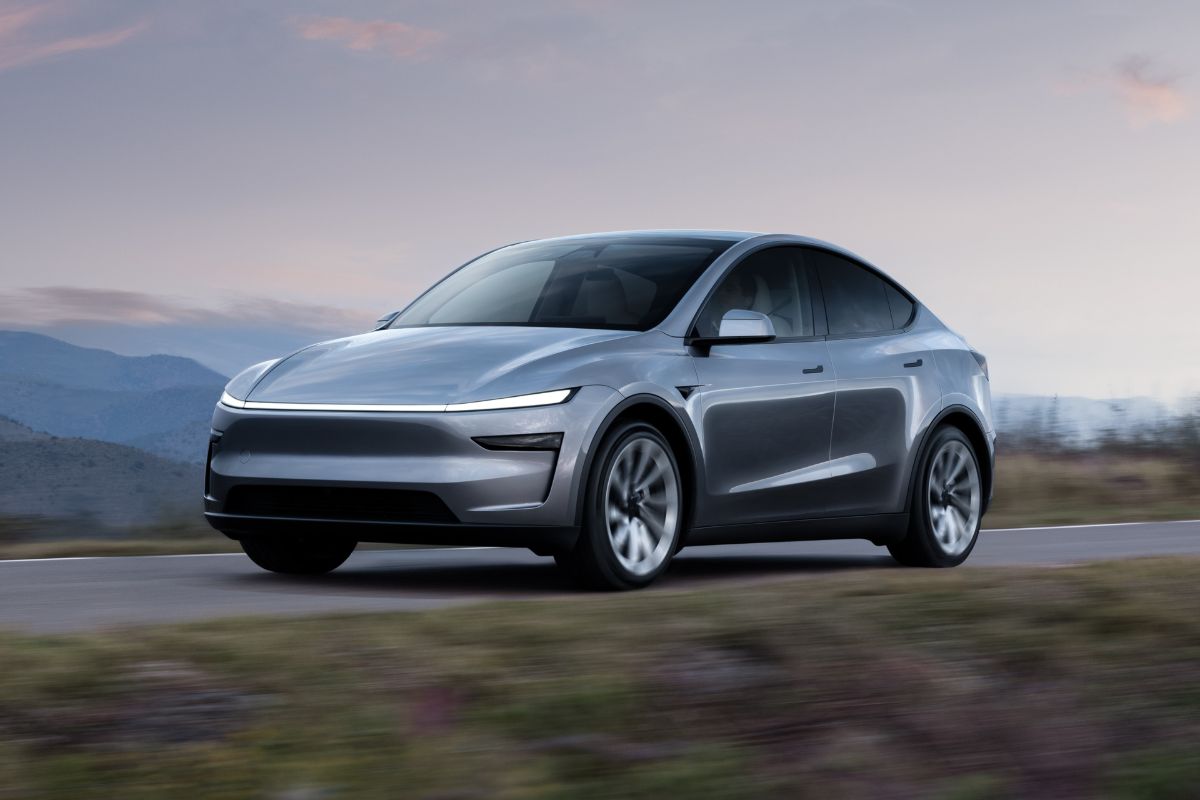
Tesla
Tesla’s Gigafactory in Shanghai has been churning out the brand’s Tesla Model 3 and Tesla Model Y electric vehicles since 2019. Shipments into Canada from the facility began in 2023 and were halted when 100% tariffs were implemented in October 2024. However, since these vehicles were already certified for the Canadian market, Tesla was able to pivot quickly when the reduced 6.1% tariff was announced. As a result, more than 2,900 Tesla vehicles were imported into Canada from China in May 2026, meaning the automaker is among the first to take advantage of the new scheme.
The first round of Chinese-import Tesla Model 3s has brought with it a significant price drop. In 2025, the cheapest Model 3 available was the Long Range AWD model, which started at $59,990 before fees. As of this writing, the Tesla Canada website lists a Premium RWD model at $39,490 before fees (or $42,132 including destination charges and other fees). Notably, that price is still not low enough for these cars to qualify for the under-$35,000 portion of the annual Chinese EV import allotment. Tesla vehicles imported to Canada from China also don’t qualify for the federal government’s latest EV rebates under the Electric Vehicle Affordability Program since the two countries don’t operate under a free trade agreement.
Tesla sales dropped by 63.5% in Canada in 2025. We’re about to see how much of that drop was politically motivated due to the brand’s association with Elon Musk and whether Canadians can be enticed back into these vehicles by lower prices.

Chery
We’re saying Chinese state-owned automaker Chery is already in Canada here, but it’s on a technicality. Three of its units were spotted in a Toronto parking lot in May 2026, and the company has reportedly shipped 150 units into the country so far. None of the sub-brands represented in that first batch — Jaecoo, Exeed, and Omoda — are on sale to the public as of yet. These early units will be used for certification as well as early test drive programs. However, trademarks have been filed in Canada for these Chery sub-brands as well as iCar (which sells the V23 off-road vehicle), Lepas, and Luxeed, and a Chery executive is on record as saying the automaker aims to be selling vehicles in Canada by the fourth quarter of 2026.
Chery plans to begin its Canadian operations with an office in Toronto and a small number of vehicles — possibly only one or two and likely under the Omoda and Jaecoo brands, depending on how certification goes — and later expanding into a much broader offering of hybrid, plug-in hybrid, and electric vehicles. So far, other Chery subsidiaries such as Soueast have not yet been connected with Canadian expansion.

BYD
BYD has a presence in Canada, but that’s also on a technicality: the firm briefly built electric buses in Newmarket, Ont., beginning in 2019 with a client base that included the Toronto Transit Commission (TTC).
More importantly for Canadian consumers, though, BYD’s Chinese assembly facilities in Shenzhen, Xi’an, and Pingshan are listed on the Transport Canada’s Appendix G Preclearance Program. This means vehicles produced at these plants will have a faster pathway into Canada than those that aren’t already part of this now-suspended preclearance program. As a result, the world’s largest electric vehicle producer by volume is set for launch in Canada before the end of 2026 with 20 branded dealerships to be established in Toronto, Montreal, Calgary, and Vancouver.
BYD models that could arrive in Canada quickly due to the preclearance program include the BYD Seagull city car (also sold as the Dolphin Mini, Dolphin Surf, and Atto 1 in some markets), BYD Dolphin compact hatchback, BYD Song Pro and Song Plus compact electric SUVs, BYD Seal electric midsize sedan, and the BYD Sealion line of electric SUVs.
The BYD Shark plug-in hybrid pick-up truck sold in Mexico is assembled at the automaker’s Zhengzhou facility, which is not on Canada’s preclearance list. This doesn’t mean the truck won’t come to Canada, but it may take longer to arrive. So far, BYD’s Yangwang luxury sub-brand has not been connected with a Canadian launch.
Notably, the Appendix G program applies to companies who import fewer than 2,500 vehicles per year. This means that while BYD’s initial entry into Canada should be smoother than for other Chinese automakers, its Canadian operations could become more complicated once imports exceed that volume.
Chinese Electric Vehicle Automakers that Could Enter Canada

XPeng
XPeng Motors is a publicly traded Chinese EV startup manufacturer founded in 2014 by two former executives from GAC Group. With offices in Mountain View, California, and active trading on the New York Stock Exchange, XPeng has an established foothold in North America. Add in that XPeng has major investors that include Volkswagen Group and that its vehicles are already sold in large markets such as Europe and the Middle East, and it’s a solid bet that the automaker will take a run at the Canadian market. Its initial product line-up could include the XPeng G6 compact electric SUV, XPeng G9 midsize premium electric SUV, and XPeng P7 sedan.

NIO
NIO is a publicly traded electric vehicle manufacturer based in China. The company made headlines back in 2017 when its all-electric NIO EP9 sports car set new production-vehicle records at the Nürburgring. Since then, the automaker has earned a strong reputation as a premium Chinese brand and has expanded its line-up with a variety of cars and SUVs sold in international markets including Europe and the Middle East.
The NIO logo has been registered as a trademark in Canada since 2021. However, companies sometimes do this so they can defend their brands in markets they have no active intention to enter. So far, NIO has not openly expressed interest in entering the Canadian market. If it ever does, its initial offerings could include the NIO ET5 compact sedan, NIO ET7 large sedan, and NIO ES6 midsize SUV. Don’t expect bargain pricing on these, though: NIO’s pricing typically starts in the USD$50,000 range.

SAIC Motor
SAIC Motor — SAIC stands for Shanghai Automotive Industry Corporation — is a state-owned company and is China’s largest automaker. It was founded in 1955 and sells vehicles in China under brands such as Maxus, IM Motors, Roewe, and Rising Auto. It’s best known outside China for its joint venture agreements that allow foreign automakers to sell their brands within its home country, including General Motors and Volkswagen.
The legacy British marque MG is currently owned by SAIC, and the automaker sells EVs, hybrids and internal combustion engine (ICE) gas cars under that brand. The MG4 is a notable success story as the top-selling EV in Australia and one of the most popular EVs in Europe. While there are no official reports that SAIC is planning to enter the Canadian market, the automaker has announced plans to open a research and manufacturing facility in Mexico and is rumoured to be looking for Canadian dealer partners. Although MG hasn’t been sold in Canada for decades, there’s still enough brand recognition here to put the marque in a better position for rapid growth than most.

Dongfeng
Dongfeng Motor is a Chinese state-owned auto manufacturer based in Wuhan. It operates Chinese brands including Venucia and Voyah as well as joint ventures with several global automakers to facilitate sales of those brands in the Chinese market, including Honda and Nissan.
Nissan is reportedly considering selling some of its Dongfeng joint venture vehicles in markets outside China, including Canada. Christian Meunier, the current Chairman for Nissan Americas, is a former CEO of Nissan Canada and therefore has unique insight into which products and strategies might be successful in the Canadian market. The Nissan NX8 midsize SUV, available with battery electric and plug-in hybrid powertrains, as well as the Nissan N7 fastback midsize electric sedan are candidates Nissan may consider importing to take advantage of Canada’s reduced tariffs on Chinese-made EVs.

Changan Automobile
Changan is the smallest of China’s “big four” state-owned automakers behind SAIC, Dongfeng, and FAW Group. Changan produces vehicles under its own brands such as Changan, Avatr, Deepal, and Kaicene. It also operates joint ventures in the Chinese market with several large automotive brands, including Ford and Mazda.
Changan isn’t a complete stranger to Canada: it reportedly executed a small launch of 30 vehicles back in 2008 as a collaboration with a Mississauga, Ont.-based battery manufacturer called Electrovaya. At this time, there are no credible reports that Changan has plans to re-enter Canada through its own brands or joint ventures. Given its past glimmer of interest in our market, though, we should leave the possibility on the table.

Skywell
This is an interesting one. Back in early 2022, a SUV carrying the brand name Imperium parachuted into Canada. The company gave members of the automotive media a chance to test drive this electric SUV, which was also paraded around at Canadian electric vehicle shows to rave reviews and several hundred pre-orders. These units were rebranded versions of a vehicle sold under the name Skywell in China.
Since then, Skywell has launched an automotive subsidiary called Skyworth Auto. Imperium was completely rebranded in North America as Liteborne Motor Corporation and then disappeared shortly afterward. Will reduced Canadian tariffs and renewed interest in Chinese EVs lure Skywell back across the Pacific? There’s no indication of it as of this writing, but this is a saga worth watching.

GAC Motor
Guangzhou Automobile Group Co., Ltd. (GAC Group) is a Chinese state-owned car manufacturer and the country’s fifth-largest automaker founded in 1954. It sells vehicles under several of its own sub-brands including GAC Trumpchi and has domestic joint venture agreements with Stellantis, Toyota, Honda, and Mitsubishi.
GAC Motor was actively working on plans to enter the North American market until 2019. Today, the automaker exports vehicles to Mexico rebadged under the Dodge brand, but initiatives beyond that have stalled. With lower tariffs on Chinese-built EVs being introduced in Canada, we could see renewed interest from GAC Motor down the line.

Leapmotor
Leapmotor is a relatively new Chinese automaker. It was founded in 2015 in Hangzhou, sold its first vehicles in 2019, and went public on the Hong Kong stock exchange in 2022. But here’s where things get interesting: Stellantis bought a 21% stake of Leapmotor in 2023. This means Leapmotor EVs could theoretically be sold in Canada through Stellantis’s established dealer network, which already includes brands such as Dodge, Ram, Jeep, Chrysler, Alfa Romeo, and Fiat.
On the other hand, Stellantis also holds a controlling stake in a joint venture that gives it exclusive rights to assemble and sell Leapmotor vehicles outside China. This has generated controversial headlines as Stellantis has proposed building Leapmotor vehicles in Canada from kits at Brampton Assembly. The move would circumvent tariffs entirely and significantly reduce the workforce at the plant, which has been idle since December 2023. This proposal has been met with opposition from Ontario Premier Doug Ford and federal Industry Minister Melanie Joly.
There’s a strong chance we’ll see Leapmotor vehicles in Canada before too long, likely with the Leapmotor C10 midsize electric SUV leading the way. However, we’ll need to see how this assembly situation pans out before we can make any timing or pricing estimates.

Great Wall Motor Company
As a privately owned Chinese automaker, Great Wall Motor Company has been executing a march across the globe with a wide variety of vehicles. These include internal combustion and PHEV SUVs and trucks under the GWM, Wey, Tank, and Haval brands, among others.
With Canada’s decision to reduce tariffs on a limited number of Chinese EVs, Great Wall’s Ora electric vehicle brand looks to be its most likely venue for entering our market. The marque features retro-looking cars like the VW Beetle-esque Ora Ballet Cat and the Fiat-like Ora Funky Cat. As of this writing, there’s no official word that Great Wall is considering introducing the Ora brand to Canada. But following on successful launches in Europe and Australia, a swing at Canada is entirely plausible.
Chinese Automakers Not Planning to Launch in Canada
As of this writing, there’s no evidence that the following Chinese automakers plan to enter the Canadian market:
-
FAW Group, which owns Chinese brands such as Hongqi and Bestune
-
BAIC, the country’s sixth-largest automaker
-
JAC Group, a state-owned and publicly traded Chinese automaker
-
Guangxi Automotive Group, a state-owned Chinese car brand with subsidiaries that include Wuling Motor and Linxys
-
Xiaomi, a publicly traded Chinese automaker based in Beijing
-
Li Auto, a Chinese car maker listed on NASDAQ
-
Qoros and Zinoro, two automakers that sometimes enter discussions around EVs in Canada but are now defunct
How Much Cheaper Will Chinese EVs be in Canada?
With few Chinese EV product launches officially announced in Canada, let alone pricing, it’s hard to predict precisely how much cheaper these cars may be than established market leaders. However, we can make some educated guesses based on what we already know.
Tesla’s shift from American-built to Chinese-built Model 3s in Canada in May 2026 reduced the car’s base price by roughly $20,000, or more than one-third. The base Long Range AWD model from 2025 was priced at $59,990 before fees, while the new Premium RWD model introduced when Chinese imports resumed starts at $39,490 before fees.
While it’s fair to point out that the more expensive 2025 base model came with AWD and more features, automakers were also not importing lower-equipment units while the tariffs were in place because they couldn’t be priced attractively. The tariff reductions mean we should see more of these defeatured, affordably priced vehicles going forward.
The BYD Dolphin Surf (known in China as the BYD Seagull) is the brand’s cheapest car and sells for 69,800 yuan in China, which converts to just over $16,000 Canadian dollars. However, that same car starts at €22,990 in Europe, or $37,000 Canadian dollars at today’s exchange rate.
Various factors could influence the Canadian starting price including shipping costs and tariffs — there’s still that 6.1% fee to pay, after all, and you can bet it won’t be the automaker footing that bill.
As of this writing, the cheapest EV available in Canada is the Fiat 500e, which is priced at $31,995 including an $8,000 automaker incentive but not including fees, the federal EV rebate, or any available provincial and territorial rebates. Throw those in, and the Fiat 500e drops below $30,000.
The Chevrolet Bolt manages to hit roughly $35,000 on those same terms, while other subcompact EVs can’t drop below $40,000 including the Nissan Leaf and Hyundai Kona Electric. If Chinese automakers can land vehicles in Canada below $30,000, they’ll be impossible to ignore.
The Pros and Cons of Buying a Chinese EV in Canada
Pros:
-
Some models will be Canada’s cheapest EVs
-
Known for premium technologies and driver assistance systems
-
Chinese automakers refresh and redesign models more frequently than average
Cons:
-
May be blocked from crossing the border into the United States
-
Privacy and security concerns
-
Not proven in Canadian conditions
-
Some Chinese automakers consider power and handling lower priorities
If you’re consider whether to wait to buy a cheap Chinese EV in Canada, there are some pros and cons to weigh before you decide.
On the positive side, we expect several Chinese models could land in Canada as the cheapest EVs on the market. And given how many cheap cars the Canadian market has lost over the past few years, some Chinese EVs could also end up being the most affordable cars in Canada outright.
In markets where they’ve already launched around the world, Chinese automakers have earned a reputation for making quality vehicles at low prices that incorporate cutting-edge technologies and driver assistance systems. Whether you’re looking at bargain-basement city runabouts or luxury electric SUVs, Chinese brands are likely to deliver impressive features at lower price points than their competition.
On top of that, Chinese car brands are known for refreshing and redesigning far more often than what the rest of the world considers the industry average. Most established automakers follow six- to eight-year product cycles, while some Chinese automakers overhaul their cars every two years or less. It’s also easy for them to deliver frequent technology upgrades through over-the-air updates, though quite a few other automakers have caught up in this regard.
There are also some potentially significant downsides to consider around Chinese EVs. A bill has been put forward in the United States that would block vehicles using software of Chinese origin from crossing the border. If you expect to need to drive into the U.S. in your own vehicle for any reason, consider the implications of this carefully.
One of the claimed motivations behind this U.S. bill is concern around national security, and privacy and security concerns have been raised by Canadian experts regarding Chinese EVs as well. While this may not faze the average Canadian who has nothing to hide, people who work in sensitive industries or are concerned about their personal privacy may put more weight on these warnings.
Canadians should also consider that some Chinese EVs may not have been proven in the types of extreme conditions we experience in Canada such as snowstorms, frigid temperatures, and salted roads. These factors could contribute to lower-than-expected range, slow charge rates, and premature rust. Cars from automakers that are not already available in markets with similar conditions such as Scandinavia or Russia may be more prone to these issues as those problems haven’t already been worked out.
Finally, some Chinese automakers tend not to prioritize attributes that are traditionally considered important in the automotive industry such as power, handling, and ride quality, especially at lower price points. As Canadians, we’ll need to consider these factors carefully and balance them against affordability and value when deciding whether to buy Chinese EVs.


